Educational Insights on Daily Nutrition for Men
Explore the science behind balanced eating patterns, natural food sources, and lifestyle choices that support overall wellbeing.
Learn More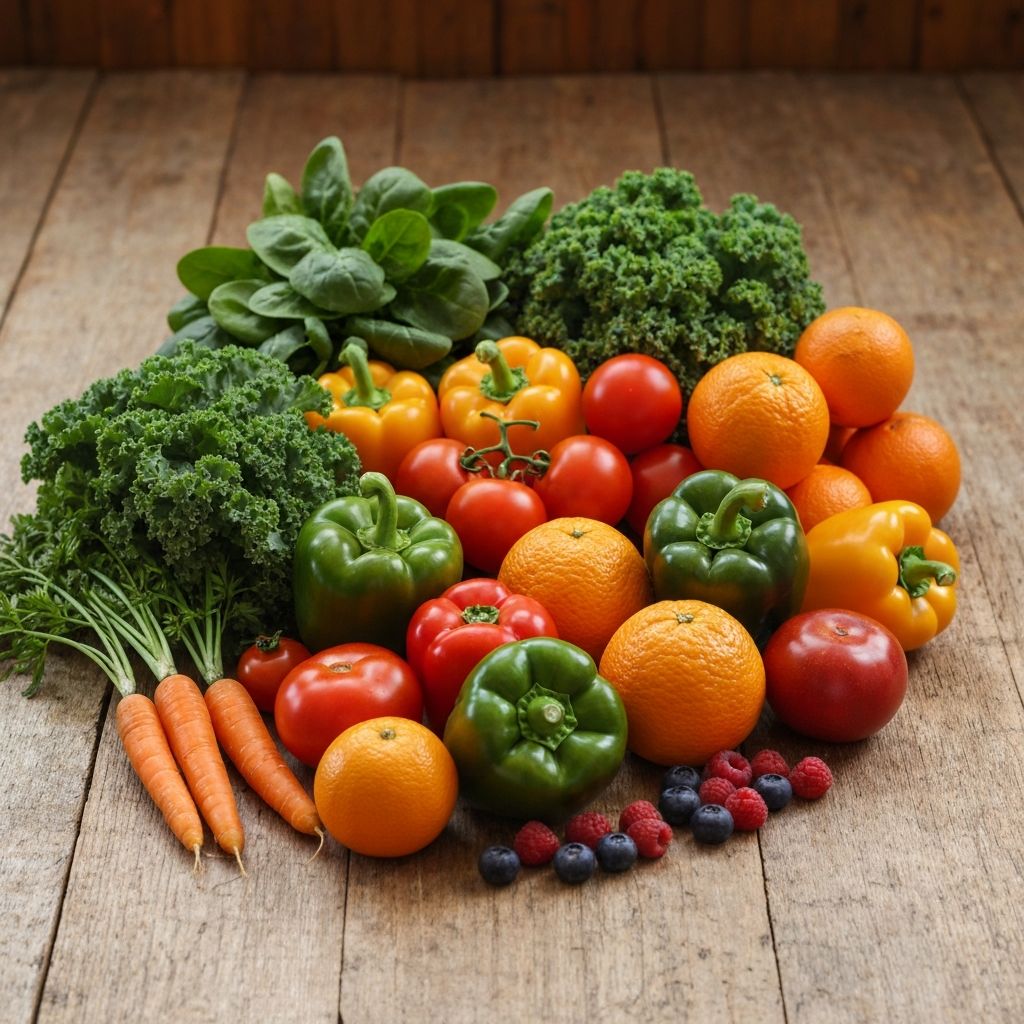
Explore the science behind balanced eating patterns, natural food sources, and lifestyle choices that support overall wellbeing.
Learn More
Understanding the fundamentals of balanced eating patterns and their role in everyday life.
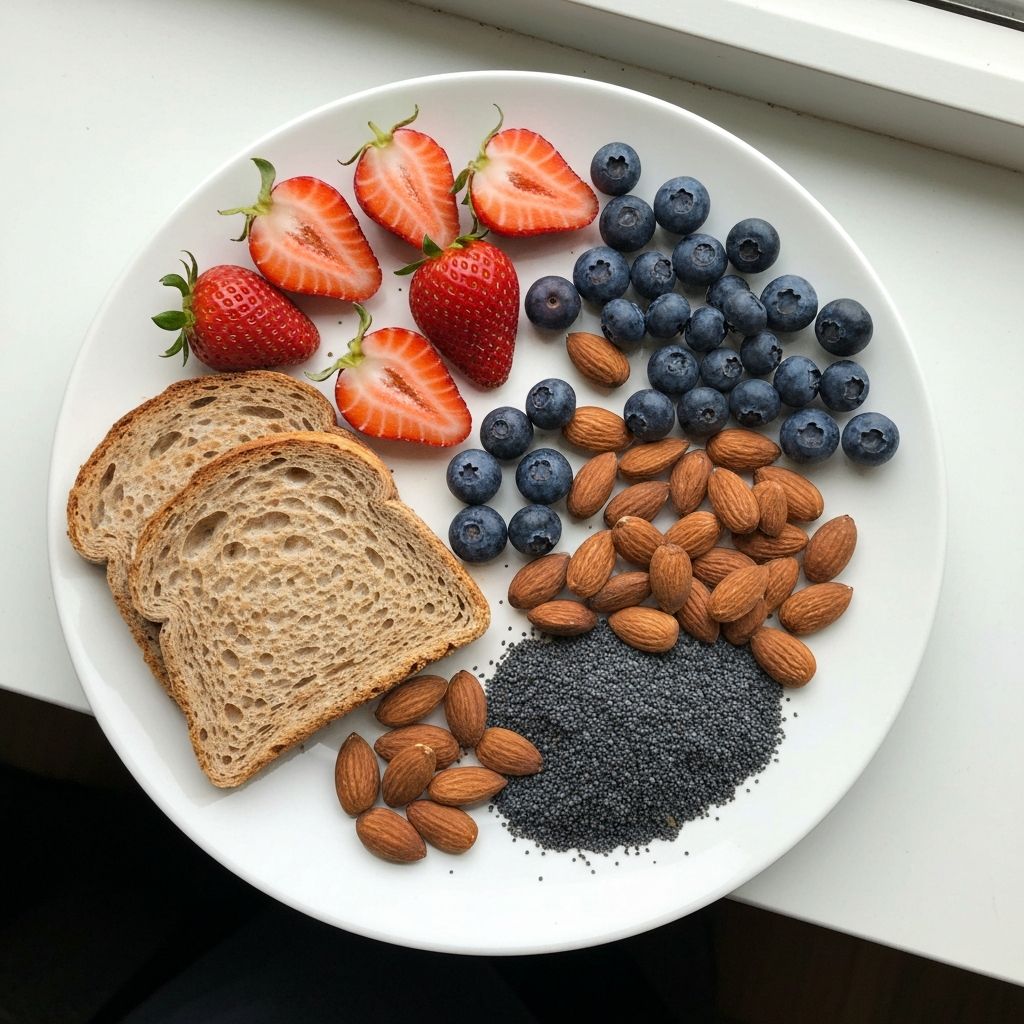
A balanced meal typically includes a variety of food groups: whole grains, lean proteins, healthy fats, and plenty of vegetables and fruits. This diversity ensures a wide spectrum of nutrients.
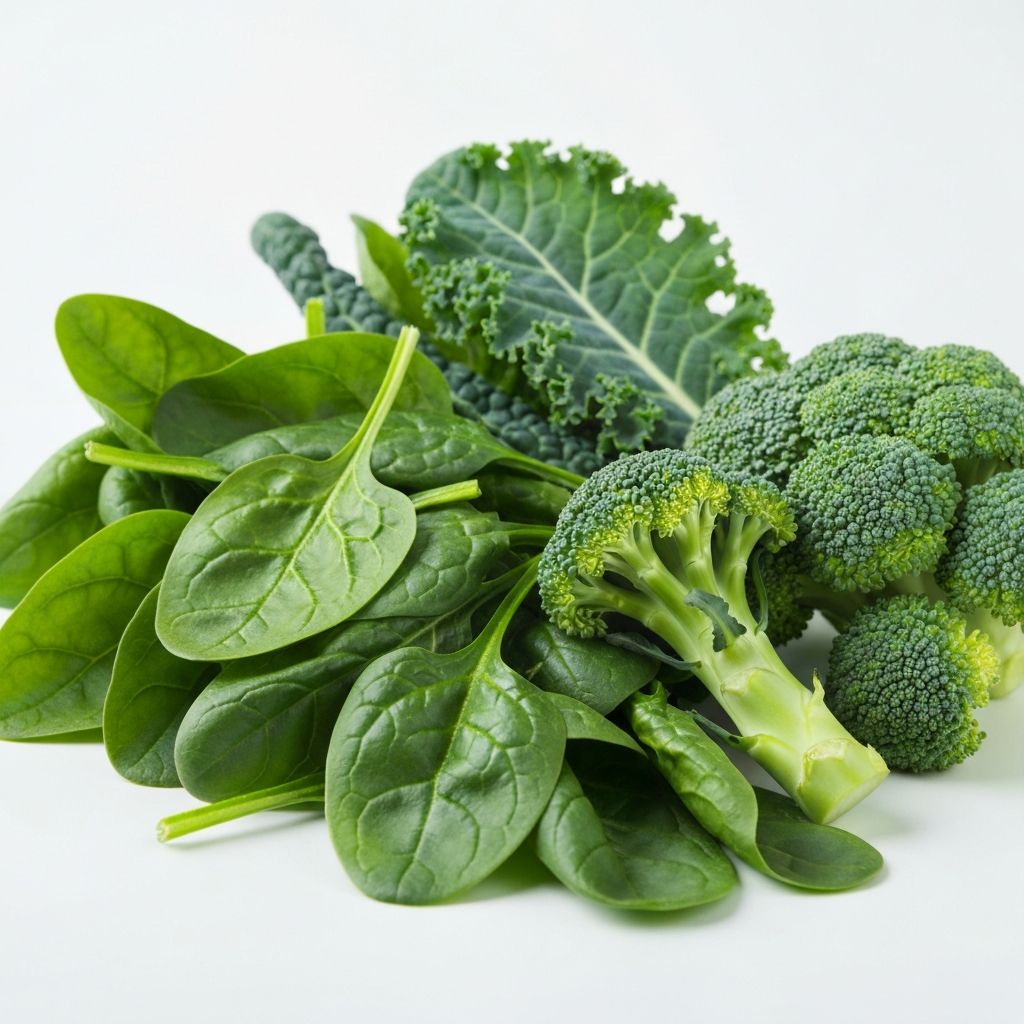
Nutrient-dense foods provide substantial vitamins, minerals, and other beneficial compounds relative to their calorie content. Leafy greens, berries, and nuts are examples of such foods.

Consuming a wide variety of colorful fruits and vegetables ensures exposure to different phytonutrients and antioxidants, each offering unique benefits to the body.
How daily habits and routines interact with nutritional choices.
Nutrition does not exist in isolation. Daily physical activity, sleep quality, stress management, and hydration all play interconnected roles in how the body processes and utilizes nutrients from food.
An active lifestyle naturally increases the body's energy requirements and can influence appetite and food preferences. Regular exercise has been associated with improved metabolic health and better utilization of nutrients.
Sleep patterns affect hunger hormones and can influence food choices the following day. Adequate rest supports the body's natural repair processes and helps maintain balanced energy levels.
Hydration is fundamental to all bodily functions, including digestion and nutrient transport. Water intake needs vary based on activity level, climate, and individual factors.
Exploring whole foods that provide essential nutrients naturally.
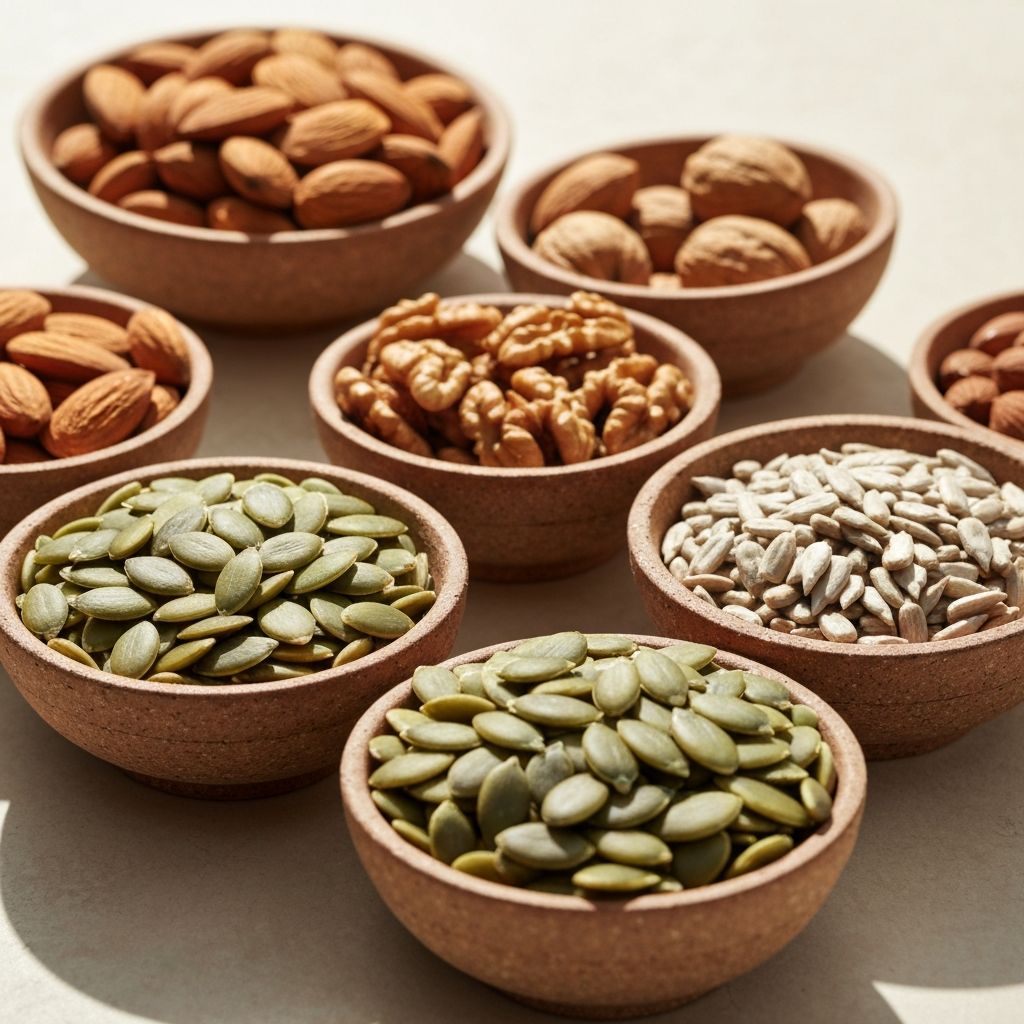
Almonds, walnuts, pumpkin seeds, and sunflower seeds are rich in healthy fats, protein, fiber, and various minerals. They make convenient snacks and can be added to meals for extra nutrition.

Fish, legumes, beans, and lentils offer quality protein along with other nutrients. Fatty fish like salmon also provide omega-3 fatty acids, while legumes offer fiber and minerals.

Whole grain bread, oats, brown rice, and quinoa retain their fiber and nutrient content. These provide sustained energy and are important sources of B vitamins and minerals.
Key principles of a balanced eating pattern.
The benefits of eating seasonally available produce.

Seasonal produce is often harvested at peak ripeness, which can mean better flavor and nutrient content. Eating seasonally also encourages dietary variety throughout the year.
In Austria, spring brings asparagus and fresh greens, summer offers tomatoes and peppers, autumn provides pumpkins and root vegetables, while winter features hearty cabbages and stored apples.
Local farmers markets are excellent sources for seasonal produce. They provide opportunities to discover new vegetables and fruits while supporting regional agriculture.
Seasonal eating naturally aligns with traditional cooking patterns and can make meal planning more intuitive and connected to the environment.
Understanding different types of nutrients and their sources.

Vitamins are organic compounds needed in small amounts for various bodily functions. Citrus fruits are known for vitamin C, leafy greens for folate and vitamin K, and carrots for beta-carotene.

Fats are essential for hormone production and nutrient absorption. Avocados, olive oil, nuts, and fatty fish provide unsaturated fats that support cardiovascular health.

Minerals like iron, zinc, magnesium, and selenium play roles in numerous physiological processes. They are found in vegetables, whole grains, nuts, seeds, and animal products.
Current understanding of nutrition science and men's health.
Nutrition science continues to evolve as researchers study how different dietary patterns affect health outcomes over time. Large population studies have provided insights into the associations between diet and various health markers.
Research suggests that diets rich in whole foods, particularly vegetables, fruits, whole grains, and lean proteins, are associated with better health outcomes across diverse populations.
Nutritional needs can vary significantly between individuals based on age, activity level, genetic factors, and overall health status. What works well for one person may not be optimal for another.
This is why personalized approaches to nutrition, guided by qualified professionals when needed, can be more effective than one-size-fits-all recommendations.
Clarifying frequent misunderstandings about nutrition.
Whole grain carbohydrates provide essential energy and fiber. The quality and type of carbohydrate matters more than simply avoiding all carbs.
Dietary fat is necessary for vitamin absorption, hormone production, and cell structure. Focusing on healthy fat sources is more important than eliminating fat entirely.
While consistent meal timing can be helpful, there is no single perfect eating schedule. Individual schedules and preferences matter.
No single food provides all necessary nutrients. Overall dietary patterns and variety are more important than focusing on individual foods.
Practical considerations for everyday nutrition awareness.

Examples of nutrient-rich whole foods commonly available.

Dark leafy green rich in iron, folate, vitamins A and K. Can be eaten raw in salads or cooked in various dishes. Widely available and versatile in cooking.
Read More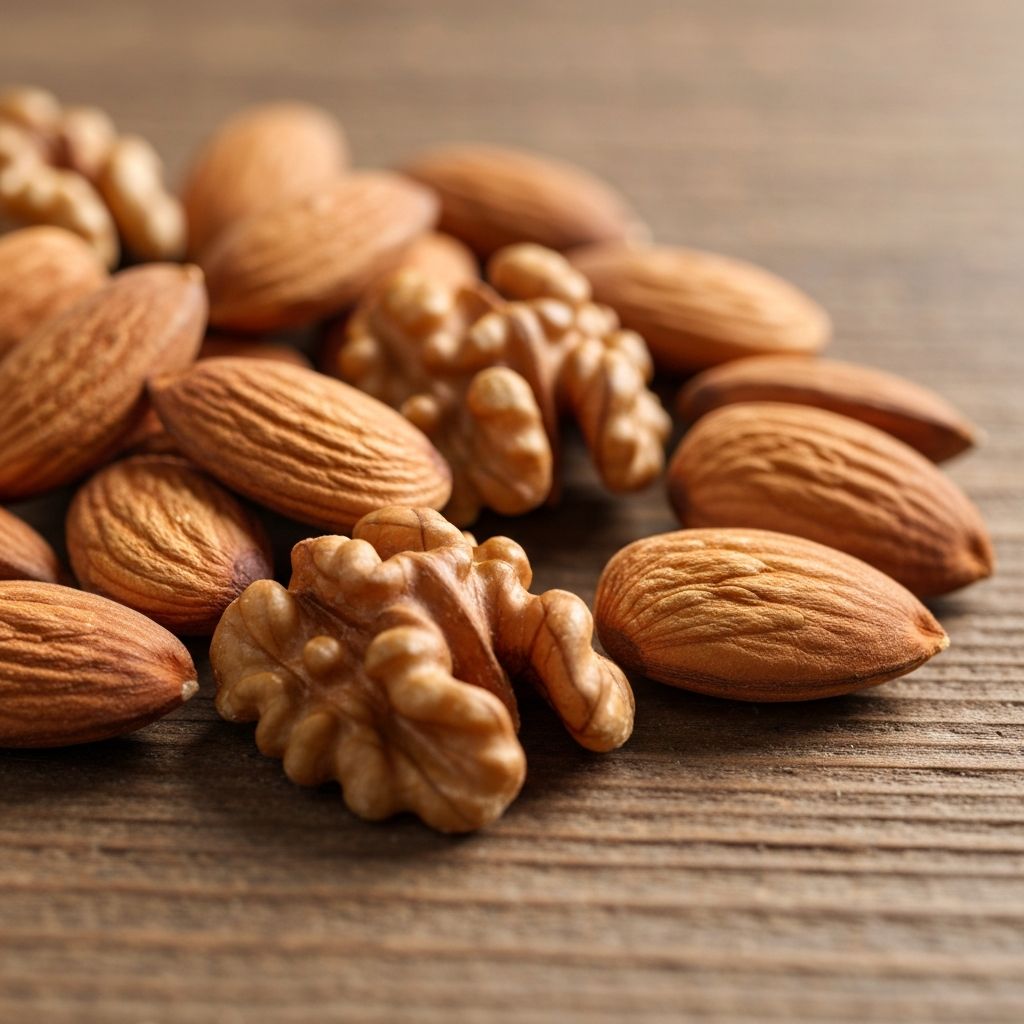
Nutrient-dense nuts containing healthy fats, protein, fiber, vitamin E, and magnesium. Make convenient snacks and can be added to meals or used as almond butter.
Read More
Fatty fish high in protein and omega-3 fatty acids. Associated with cardiovascular health benefits. Can be grilled, baked, or pan-seared for delicious meals.
Read MoreEducational resources and scientific literature.
The information presented on this website is based on current nutritional science literature, peer-reviewed studies, and established dietary guidelines from recognized health organizations.
We reference publications from organizations such as the World Health Organization, national dietary guidelines, and peer-reviewed nutritional research journals.
Nutrition science is continually evolving. New research regularly contributes to our understanding of how diet affects health and wellbeing.
We encourage readers to stay curious, consult multiple sources, and seek guidance from qualified nutrition professionals for individual concerns.
This platform serves as an educational resource for learning about nutrition.
LifeNutra is an informational website dedicated to sharing educational content about nutrition, healthy eating patterns, and lifestyle considerations. We aim to present complex nutritional concepts in accessible language.
Our content is designed for general educational purposes and to encourage informed thinking about daily food choices and overall wellbeing.
The information on this website is educational in nature and is not intended as personal advice or recommendations. Individual nutritional needs vary widely based on numerous factors including age, health status, activity level, and personal goals.
We do not provide personalized consultations, nor do we recommend specific products or supplements. Always consult qualified healthcare and nutrition professionals for individual guidance.
This website does not claim to offer solutions or outcomes. We simply explain concepts and share knowledge about nutrition science.
Discover more educational content about nutrition and healthy lifestyle choices.
Learn More About Us